
18650 Battery Manufacturing Process: How Are 18650 Batteries Manufactured?
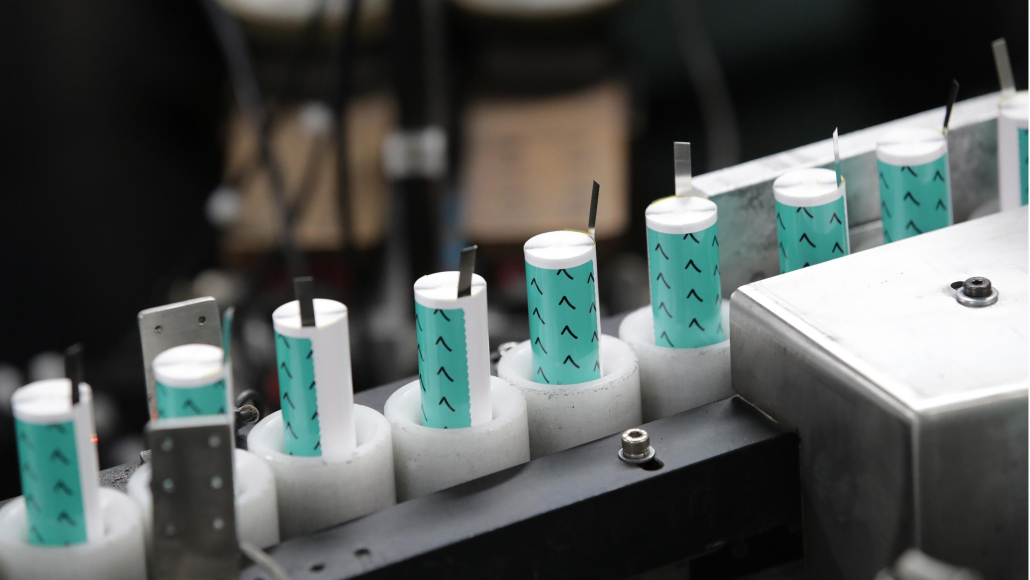
Explore Hypercell’s cylindrical lithium-ion battery production process, advanced manufacturing capabilities, and customized 18650 battery solutions.
How Are 18650 Batteries Manufactured?
18650 lithium-ion batteries are widely used in power tools, consumer electronics, medical devices, industrial equipment, IoT devices, and battery pack applications due to their high energy density, reliability, and mature technology.
The manufacturing process requires precise control throughout electrode production, cell assembly, and quality inspection to ensure battery safety, performance, and consistency.Every manufacturing stage directly affects the battery’s energy density, cycle life, safety performance, and overall reliability
Hypercell provides customized 18650 lithium-ion battery solutions with professional manufacturing capabilities, advanced production equipment, and strict quality management systems.
18650 Battery Manufacturing Process
The production of an 18650 battery mainly includes five stages:
- Raw Material Inspection
- Electrode Manufacturing
- Cylindrical Cell Assembly
- Formation & Performance Testing
- Digital Traceability & Quality Control
Stage 1: Raw Material Inspection & Preparation
Materials including cathode materials, anode materials, separators, electrolyte, and battery shells undergo strict incoming quality inspection before entering production.
Proper material management provides the foundation for stable battery performance and safety.
Stage 2: Electrode Manufacturing
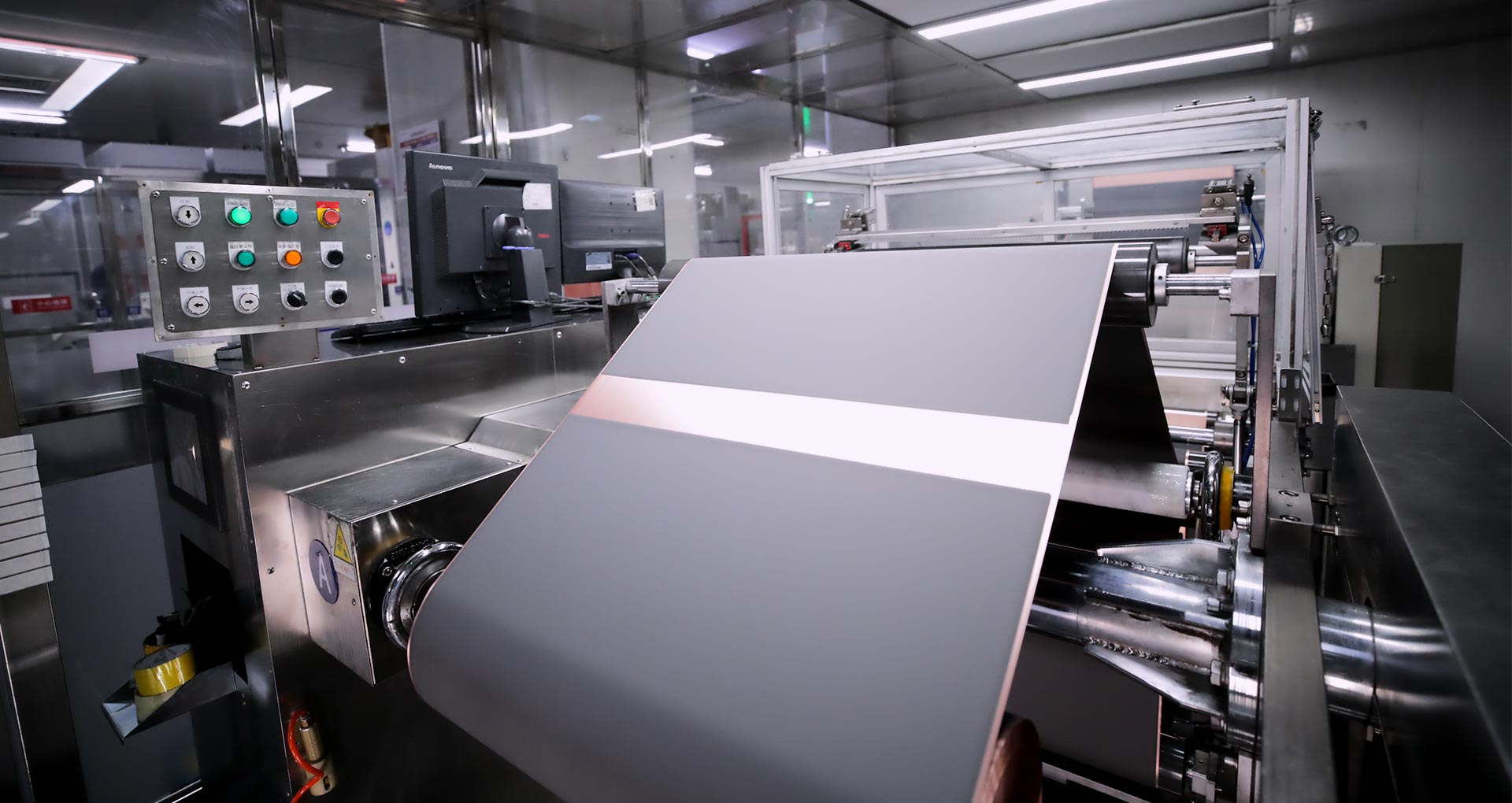
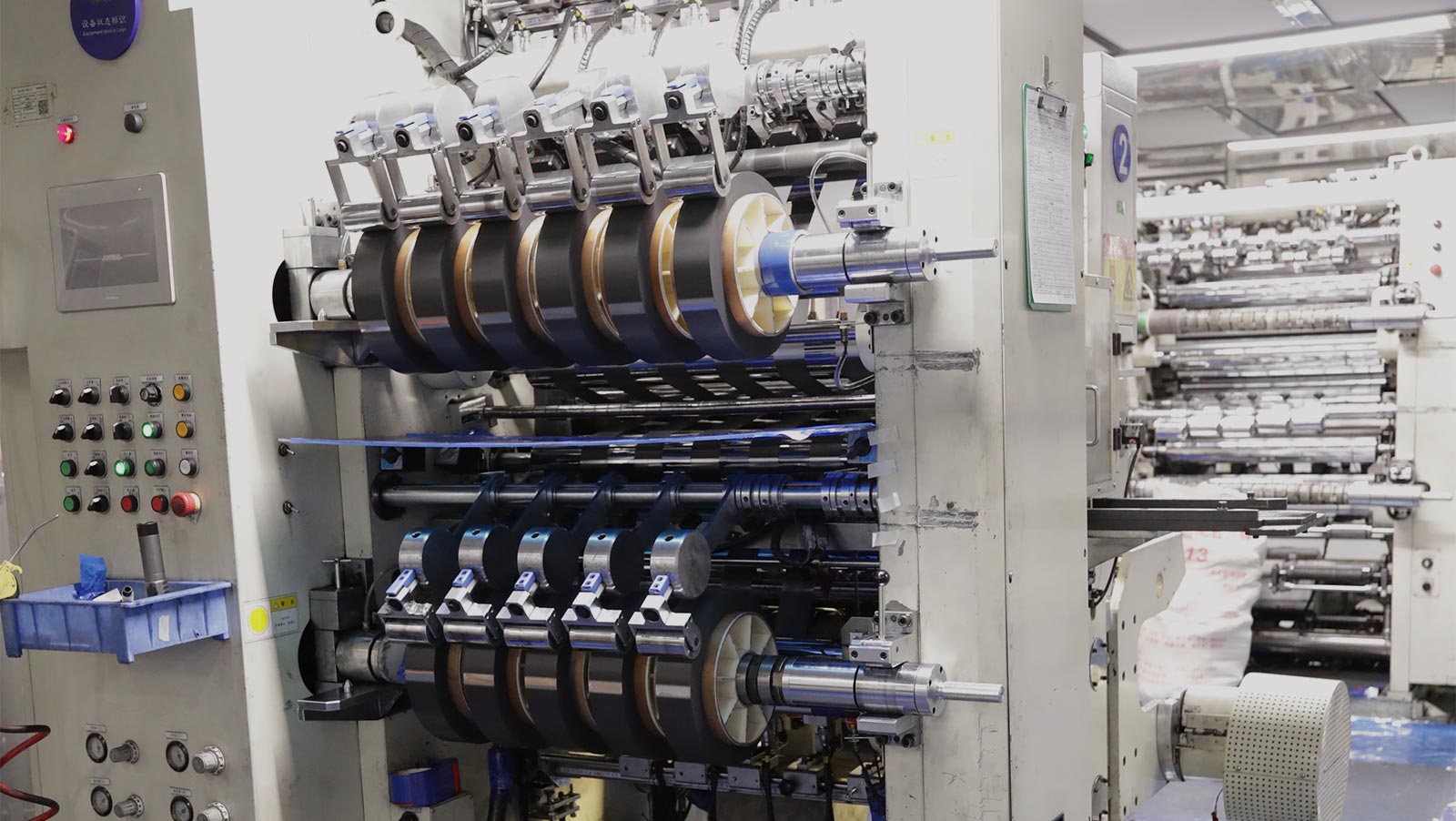
Electrode manufacturing begins with slurry preparation, where active materials, conductive additives, binders, and solvents are mixed into a uniform slurry. The cathode slurry is coated onto aluminum foil, while the anode slurry is coated onto copper foil through the electrode coating process.
The coated electrodes then undergo drying to remove residual solvents, followed by calendaring to achieve the required thickness and electrode density. The electrodes are subsequently processed through slitting to obtain precise widths required for cell assembly.
Before entering the assembly stage, the electrode sheets undergo vacuum baking to remove residual moisture. Strict moisture control ensures better battery safety, improved cycle life, and long-term reliability.
Stage 3: Cylindrical Cell Assembly
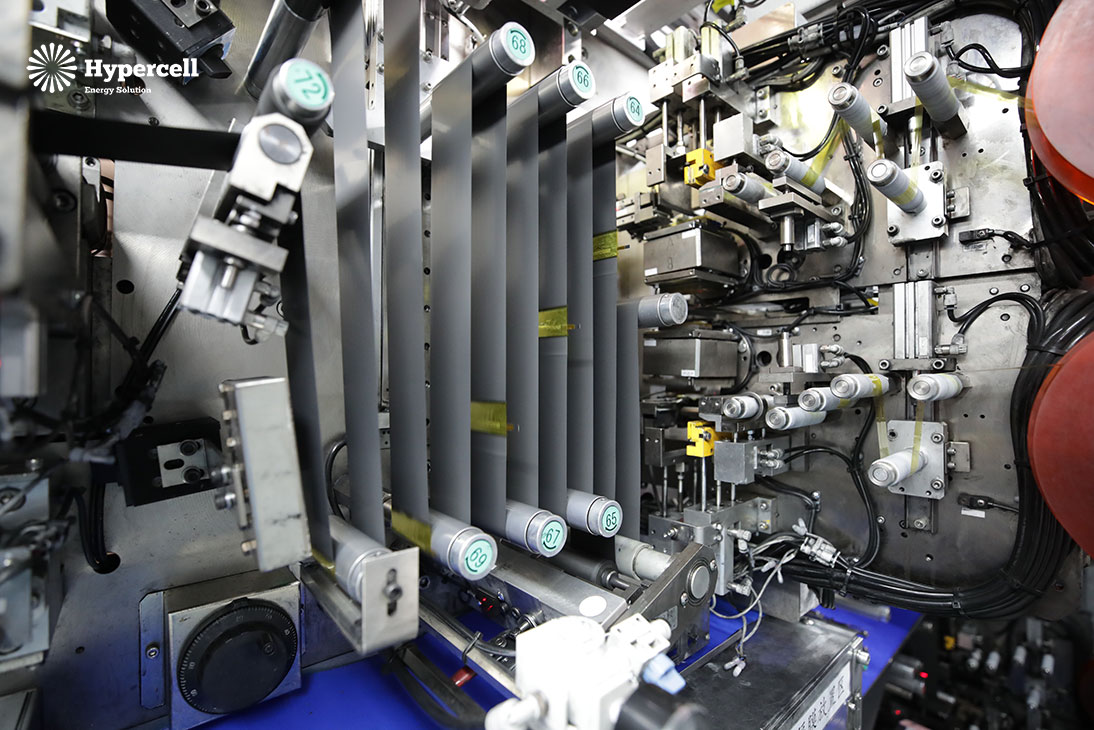
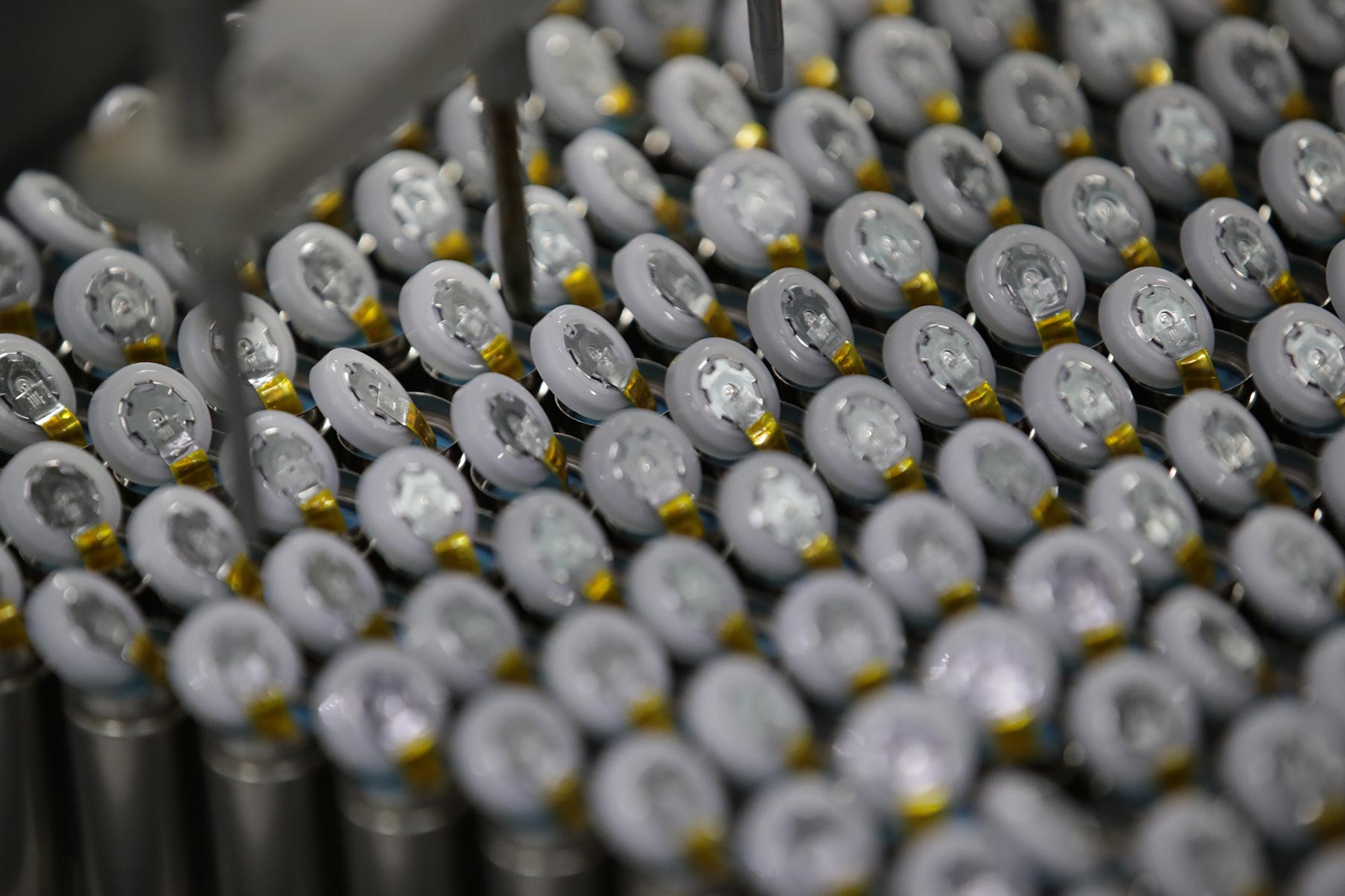
The positive electrode, separator, and negative electrode are precisely wound together to form a cylindrical jelly-roll structure. After winding, electrode tabs are welded to ensure reliable current collection. The jelly roll is then inserted into the cylindrical steel case
Next, a groove is mechanically formed near the top of the case during grooving to secure the internal structure, followed by electrolyte injection in a controlled low-humidity environment. After electrolyte injection, the cells undergo electrolyte soaking to ensure complete wetting of electrodes and separators, followed by controlled aging.
Finally, cell sealing is performed to hermetically seal the cell with a cap assembly that integrates a Current Interrupt Device (CID) and a safety vent, allowing the cells to safely proceed to the formation and testing stages.
Stage 4: Formation & Performance Testing
During formation, each cell undergoes controlled charge and discharge cycles to activate the electrochemical system and create a stable SEI layer on the anode surface. This process plays an important role in battery safety, cycle life, and long-term performance.
After formation, cells enter the aging stage under controlled environmental conditions. Aging helps evaluate voltage stability and identify potential defects before final inspection.
Each cell is tested for key parameters including capacity, voltage, internal resistance, and overall electrical performance. Cells are then graded according to performance characteristics to ensure consistency for battery pack assembly.
Stage 5: Digital Manufacturing & Traceability
Each battery cell is scanned and recorded through Hypercell’s MES-based digital production management system.
The traceability system tracks manufacturing information, inspection records, and production data to ensure complete quality control throughout the battery manufacturing process.
Digital traceability enables efficient quality management and supports reliable battery production for global customers.
Hypercell 18650 Battery Manufacturing Capability
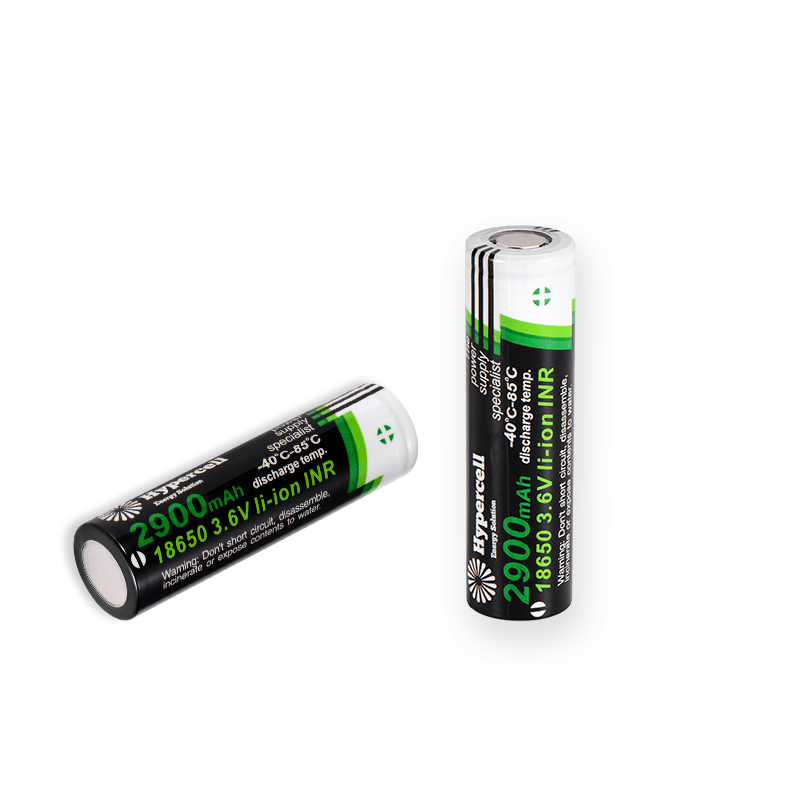 As an experienced lithium-ion battery manufacturer, Hypercell provides customized cylindrical battery solutions from cell selection and battery design to mass production and quality validation.
Our capabilities include:
- Cylindrical lithium-ion battery manufacturing
- Custom battery pack development
- Battery design support
- BMS integration
- Production quality control
With advanced manufacturing equipment, strict quality management, and complete production traceability, Hypercell delivers safe, reliable, and high-performance 18650 battery solutions.