The sulfide-based all-solid-state battery (ASSB) route is seeing two major trends in 2025. First, its superior ionic conductivity has made it a consensus choice among researchers and industry players. Second, the commercialization process is accelerating, especially among startups, with clear progress in funding, production capacity, and market expansion.
Firm Lithium Technology Technology: A Three-Pronged Push
Firm Lithium Technology, a Chinese startup, has recently achieved several key milestones across funding, production capacity, and market expansion:
Funding: The company has completed its Series A round, backed by a subsidiary of Chaowei Power and SAIC’s investment arm.
Production Capacity: The company has completed its Series A round, backed by a subsidiary of Chaowei Power and SAIC’s investment arm.
Market Expansion: Firm Lithium has partnered with a Beijing-based premium electric motorcycle brand, marking its expansion beyond consumer electronics. The company aims to achieve vehicle integration by 2026 and scale up to passenger vehicles by 2027.
Early-Stage Competition: Carving Out Niches
Competition among solid-state battery startups is beginning to take shape. For instance, Chunli New Energy, which focuses on polymer-based ASSBs, launched a 200 MWh production line in late 2024, targeting the e-bike market.
Supply Chain Breakthroughs: Electrolyte Production Scaling Up
Upstream players are also making strides:
Zhongke Gu’neng: Secured ton-level sulfide electrolyte orders in 2025 and established a 100-ton/year production line alongside a 100 MWh pilot line in Changzhou. The company utilizes proprietary gas-phase synthesis and wet coating technologies.
Tianshi Kefeng: Raised tens of millions of RMB in angel funding and plans to build a tens-of-ton electrolyte powder production line in 2025, with expansion to hundred-ton scale between 2026 and 2027. Samples have already been delivered to leading players such as CATL, Gotion, and Ronbay.
Idemitsu Kosan : Investing over JPY 21.3 billion (~USD 140 million) to build a lithium sulfide production capacity of 1,000 tons per year by June 2027, supporting Toyota’s ASSB EV launch targets for 2027–2028.
Key Observation: A “Low-to-High” Market Entry Strategy
Most sulfide-based ASSB startups are currently targeting low-speed, light-duty, or cost-insensitive applications. This pragmatic “low-to-high” strategy allows them to secure early market share and validate their technologies on smaller cells before moving into passenger EV applications.
Notably, no sulfide-focused startup has yet established a deep partnership with an automaker in China. In contrast, companies pursuing oxide-polymer composite routes—such as Tailan, Weilan, and Qingtao—have already secured strong backing from EV manufacturers through a stepwise “semi-solid to all-solid” transition strategy.
Whether sulfide-focused startups can bridge this gap and establish a leading position remains a key development to watch.
Note: This article is adapted and summarized from publicly available reporting by Gaogong Lithium Battery (GGII). The original data and viewpoints belong to GGII.
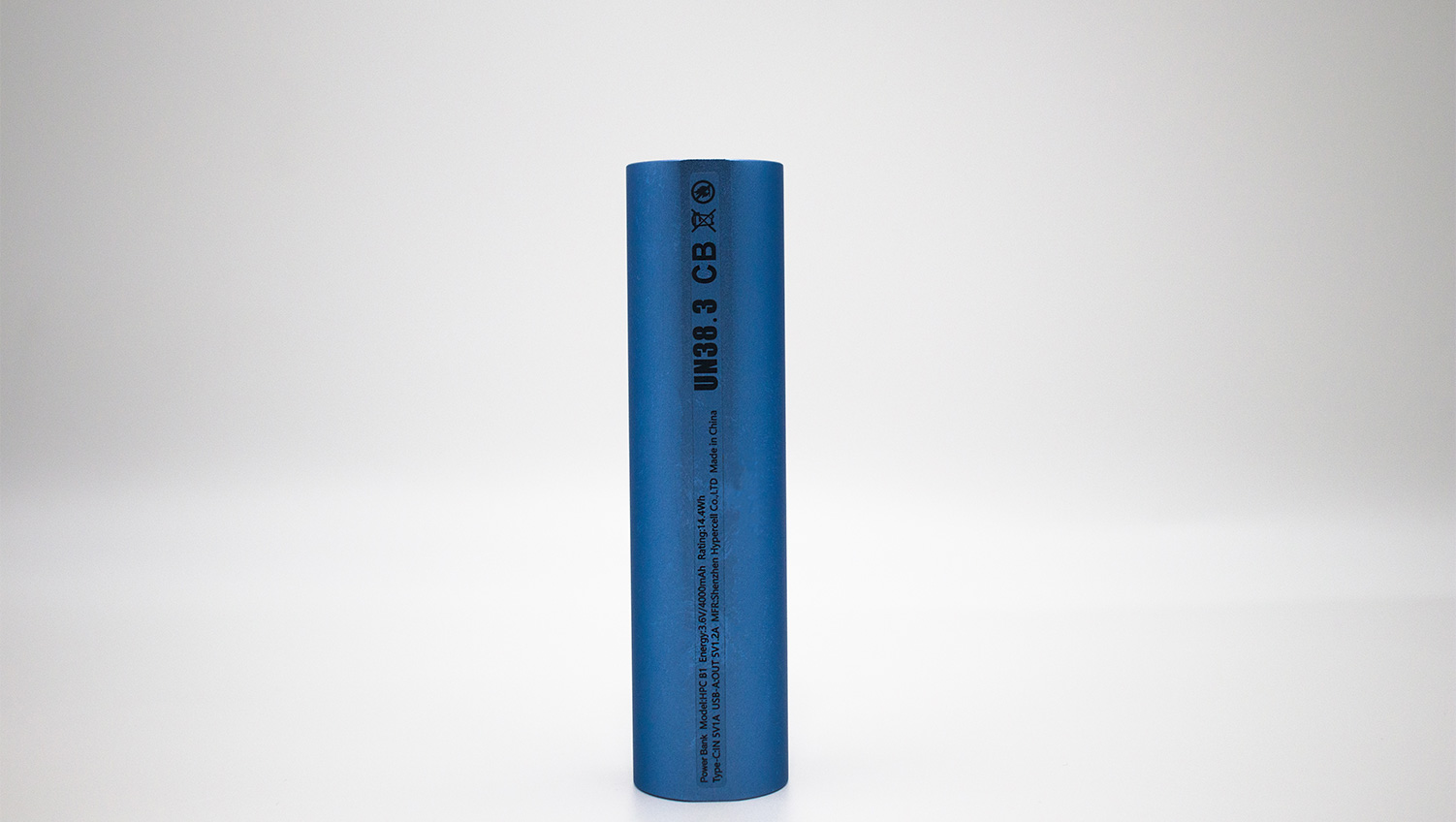 With standardized 3.7V 4000mAh specifications and production processes established during the R&D phase, we achieve high mass production efficiency and ensure a stable supply.