When developing a high-performance device, a custom battery is far more than a power source. It directly influences system performance, safety, product lifespan, and regulatory compliance. For medical devices, industrial equipment, robotics, and IoT products, standard batteries often cannot meet demanding application requirements

At Hypercell, our custom battery solutions follow a highly disciplined, end-to-end engineering methodology. Backed by over 19 years of experience, here is our streamlined 6-step blueprint for bringing your power solution from initial concept to certified production.

Step 1: Discovery & Requirements Gathering

Every successful battery project begins with absolute clarity. Our engineering team collaborates directly with you to establish a comprehensive technical envelope:

Electrical Profiles:Nominal voltage, peak current draw, dynamic power profiles, charging requirements, and targeted capacity.
Mechanical Constraints:Exact 3D dimensions, enclosure materials, and connector interfaces.
Environmental Tolerances: Operating temperatures, vibration levels, humidity conditions, and ingress protection (IP ratings).

Step 2: Integrated Cells, Smart BMS & Mechanical Design

Once specifications are locked, we initiate the core design phase. We optimize the battery cell, Battery Management System (BMS), and mechanical enclosure as an integrated system.

  1. Cell & Chemistry Selection: We source from Tier-1 manufacturers, balancing energy density, cost, and lifecycle. Options include high-capacity Li-ion ,LiFePO4 or NiMH.
  2. Smart BMS Engineering: Protection functions include overcharge, over-discharge, overcurrent, short circuit, and temperature monitoring.We design custom PCBAs with precise State-of-Charge (SOC) tracking and integrated communication protocols (I2C, SMBus, CAN bus, or Modbus) so your device can read real-time battery diagnostics.
  3. hermal & Enclosure Design: Using 3D CAD, we engineer rugged enclosures focused on Thermal Management. We simulate stress to prevent thermal runaway propagation under heavy discharge curves.

Step 3: Rapid Prototyping & Rigorous Testing

Before committing to production-grade tooling, we construct functional, high-fidelity prototypes. Using in-house 3D printing and rapid spot-welding technology, we put the prototype through grueling physical and electrical stress tests:

Thermal Cycle Testing: Verifying pack integrity under extreme temperature swings.
Load & Capacity Testing: Simulating real-world device duty cycles to verify runtime.
Drop & Vibration Testing: Validating mechanical durability for industrial and military standards.

Step 4: Regulatory Compliance & Safety Certification

Navigating global approvals is one of the biggest bottlenecks in product launches. We partner with accredited third-party labs to secure crucial compliance certifications for your target market.

Step 5: Scaled Production & Quality Control

Once validated, your project transitions seamlessly into our advanced manufacturing facilities, where quality and consistency are prioritized:

Cell Matching: Sorting and pairing cells with identical internal resistance and capacity to maximize pack lifespan.
100% Automated EOL Testing: Every pack undergoes automated safety, protocol communication, and functional testing before packaging.
Full Traceability: End-to-end component tracking from BMS chipsets to individual lithium cells.

Step 6: Global Logistics & Class 9 Hazmat Compliance

The process doesn’t end when production finishes. Shipping lithium batteries requires navigating complex global regulatory frameworks, as they are classified as Class 9 Dangerous Goods (Hazmat).

Compliant Packaging: We design and supply UN-certified packaging (compliant with IATA, ADR, and IMDG codes).
Regulatory Documentation: We manage UN38.3 test summaries, Material Safety Data Sheets (MSDS), and shipper declarations.
Lifecycle Support: Ongoing supply chain management, future design revisions, and obsolescence tracking for critical components.


At Hypercell, we combine over 19 years of engineering expertise with state-of-the-art assembly to deliver safe, smart, and resilient power solutions.

Ready to kickstart your next project? Contact our sale today to discuss your custom power requirements!

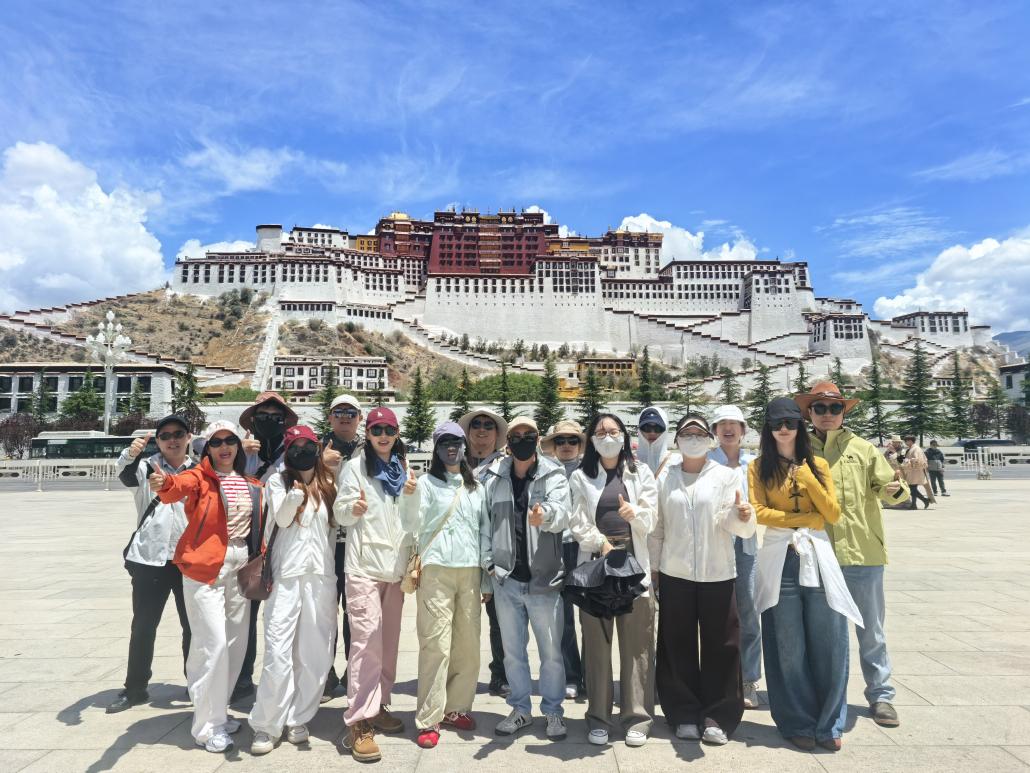
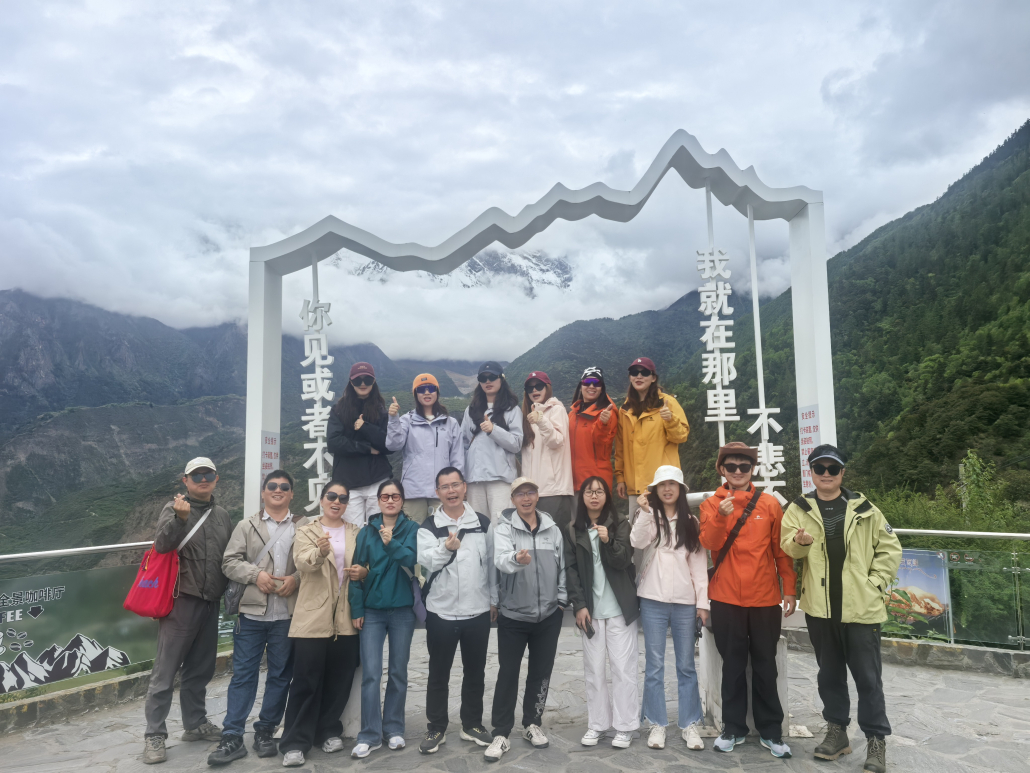
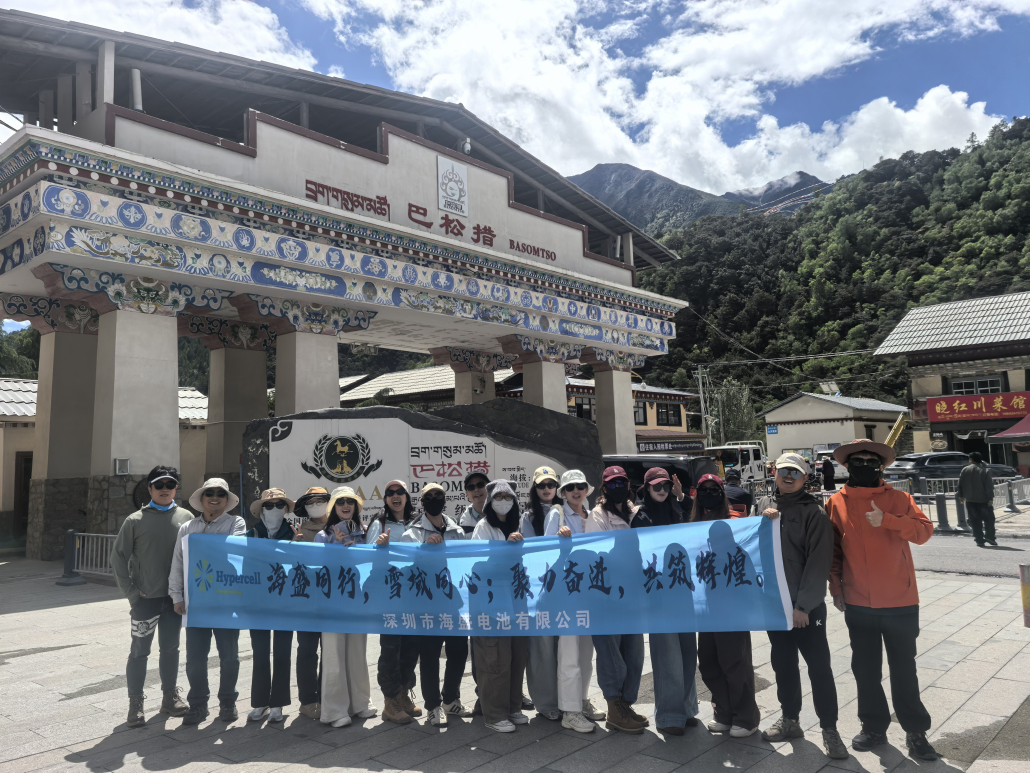
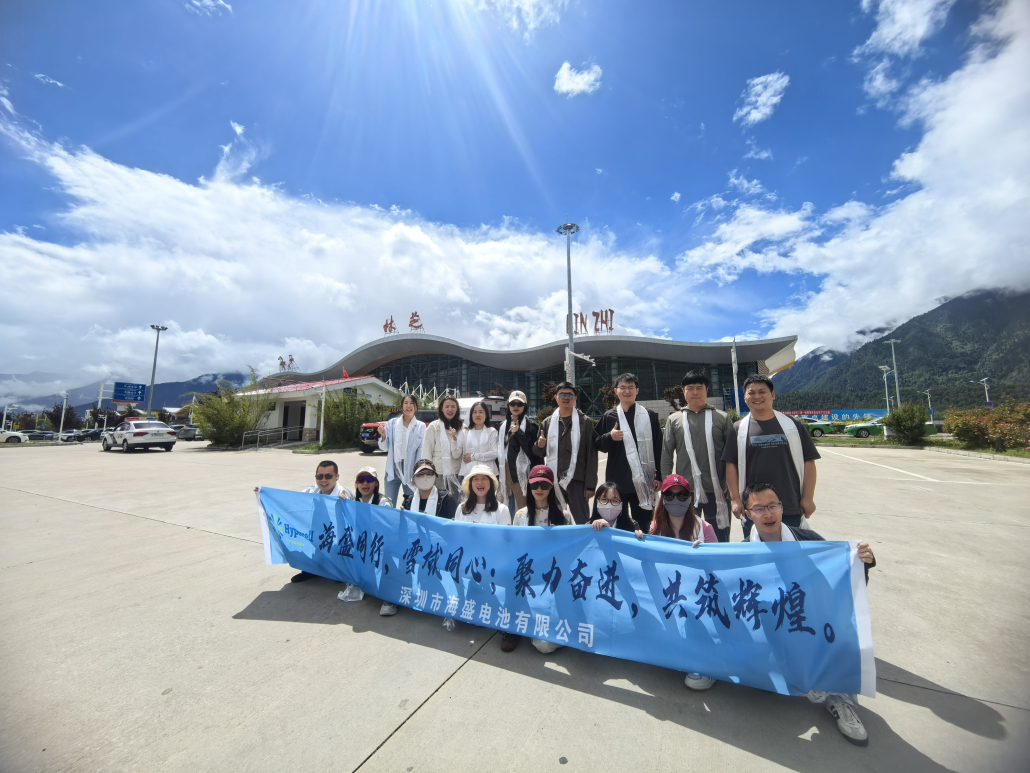
From June 13 to June 20, 2026, the Hypercell team embarked on an unforgettable team-building journey to Xizang, exploring some of the region’s most iconic natural and cultural landmarks.

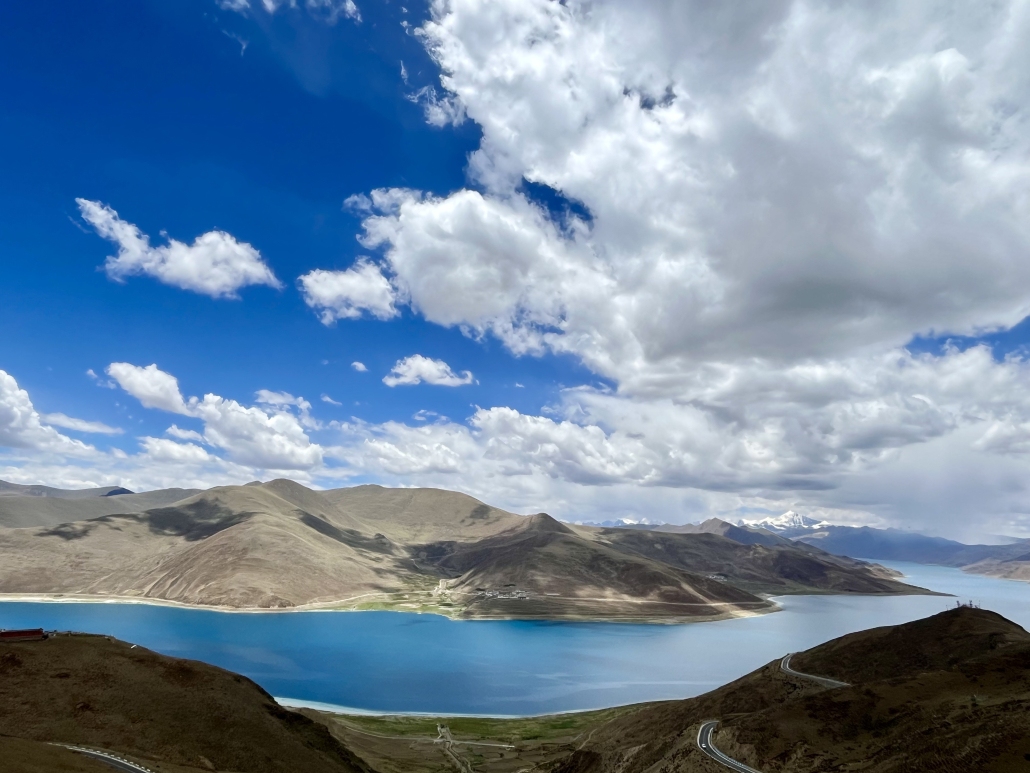
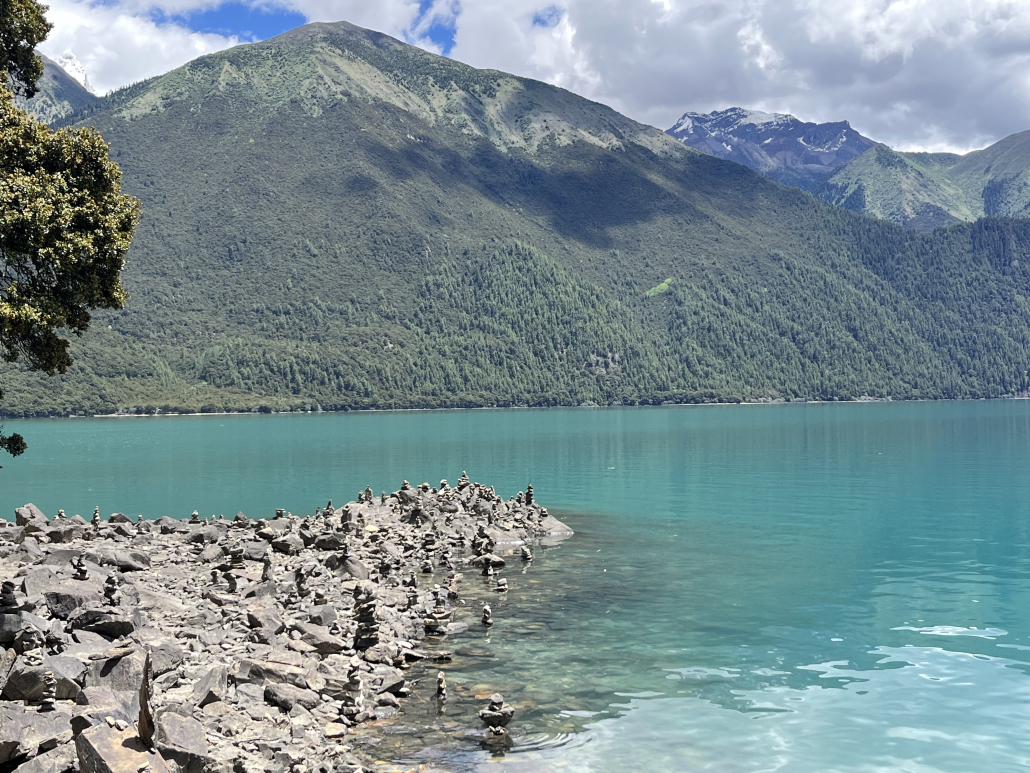
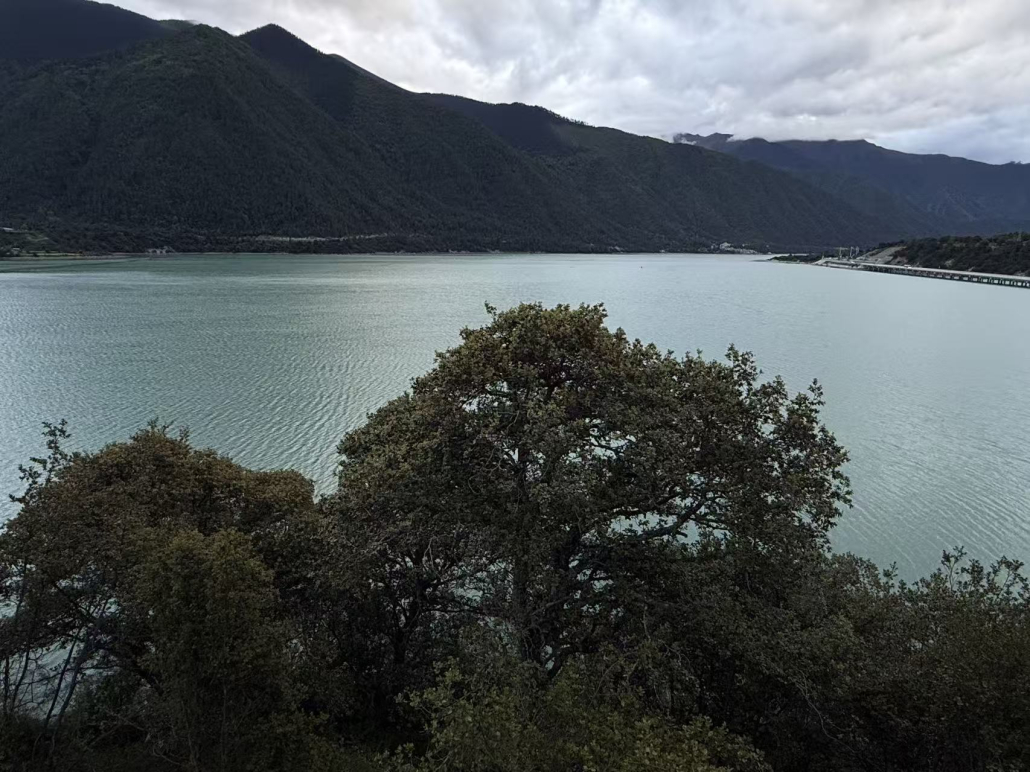
The journey began in Chongqing, where team members visited Liziba Station and Hongya Cave before continuing to Nyingchi and Lhasa. Along the way, the team experienced the breathtaking beauty of the Yarlung Tsangpo Grand Canyon, Mount Namcha Barwa, Lulang Forest, Basum Tso, Yamdrok Lake, and the world-famous Potala Palace.

Beyond the stunning landscapes, the trip provided valuable opportunities for colleagues to connect, collaborate, and strengthen relationships outside the workplace. Through shared experiences and unforgettable moments, team members deepened their trust and reinforced the spirit of teamwork that drives Hypercell’s success.

At Hypercell, we believe that strong teams create great products. As a leading provider of custom lithium battery solutions, we understand that innovation begins with people. Investing in employee development and team culture remains an important part of our long-term growth.

The Hypercell Xizang Team Building Journey 2026 was more than a company trip—it was a celebration of teamwork, shared achievement, and the journey ahead.

Together, we continue to power innovation and build a stronger future.

If you’d like to see more highlights from Hypercell’s Xizang journey, feel free to click the link below and explore the full travel story.

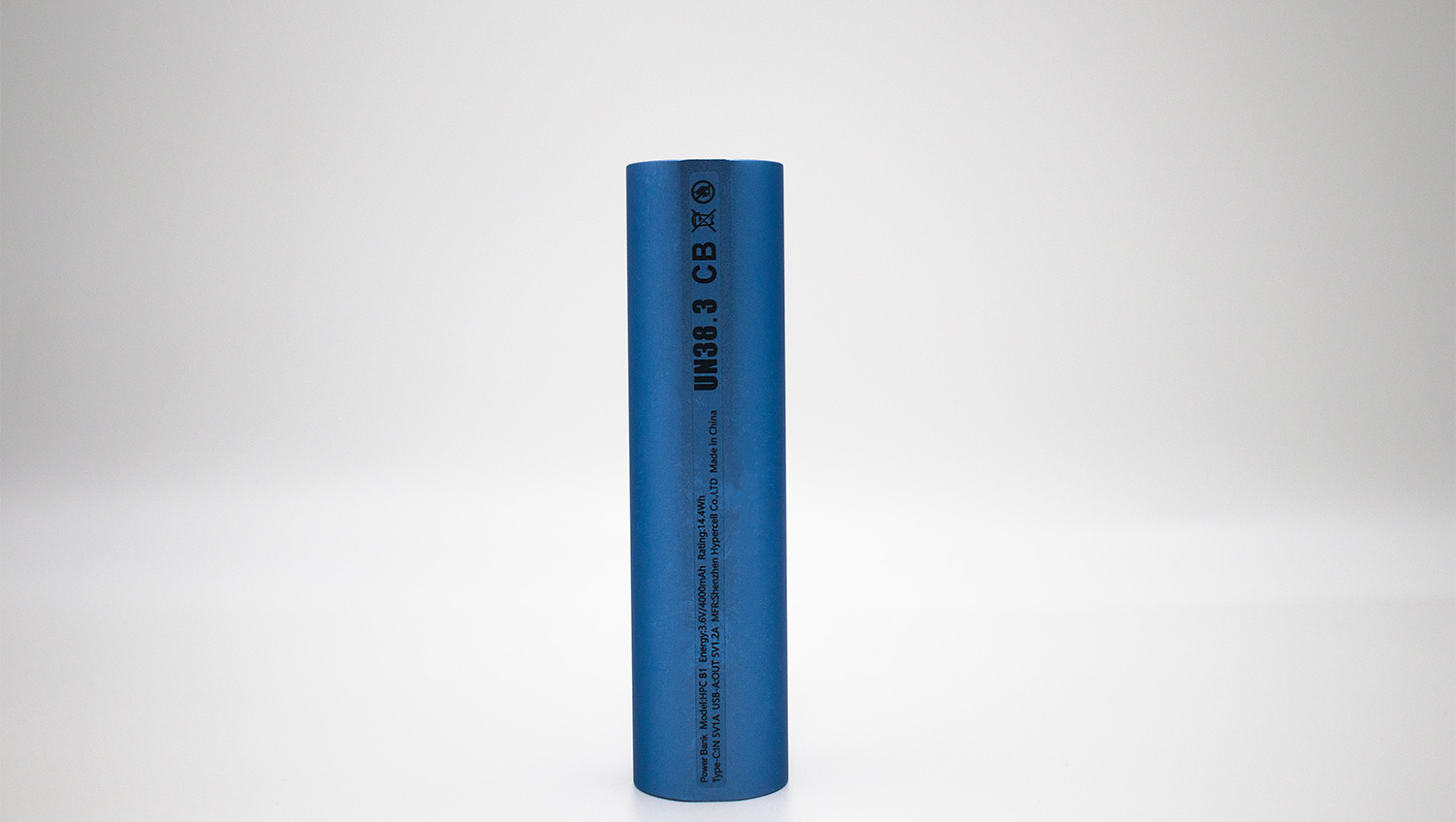
Developed based on real-world application requirements, this 3.7V 4000mAh power bank is engineered to provide a balanced charging solution for small portable electronic devices such as headphones and watches. From initial design to final validation, this new arrival ——-HPC B1 represents a milestone in our rigorous R&D process, balancing Capacity with weight and size.ns.

Validated Development Process

The core competitiveness of this product stems from our meticulous control over the development process and rigorous screening of cell performance. From project initiation to mass production, every stage is driven by the core requirements of “stability, durability, and compatibility.” In particular, we have devoted significant R&D resources to cell performance testing and solution optimization to ensure that our products meet the quality standards required for mass production.

Core Cell Testing:

  • Cycle Life Test:

    Conducted using a 1.0 C5A discharge standard under strictly controlled test conditions (Charging: 0.5 C5A constant-current charging to 4.2 V, followed by constant-voltage charging at 0.02 C5A; Discharge: 1.0 C5A discharge to 2.5V; 30-minute interval between charge and discharge cycles; ambient temperature 20±5°C). After 500 complete charge-discharge cycles, the cell capacity remains at over 80% of its initial capacity, meeting durability requirements.

  • Charge/Discharge Current Control:

    During R&D, we precisely tailored the design to meet the diverse needs of B2B scenarios by establishing tiered charging current standards. In low-temperature environments (0°C–15°C), the maximum charging current is set to 0.2C (5A) to prevent cell damage caused by charging at low temperatures. In standard environments (15°C–45°C), the maximum charging current reaches 0.5C (5A), balancing charging efficiency with cell safety; The maximum discharge current is stabilized at 1.0C (5A), ensuring a steady output that meets the power requirements of 3.7V small digital devices such as Bluetooth earbuds, smart wristbands, and small office equipment, thereby preventing device damage caused by unstable current.

  • End-to-End R&D Testing:

    During the development of this product, we conducted multiple rounds of testing and optimization focused on cell performance, circuit stability, and structural compatibility. We placed particular emphasis on verifying core metrics such as cell cycle life and charge/discharge stability to ensure consistent performance across every batch of mass-produced products. This provides quality assurance for bulk purchases by enterprises and reduces post-purchase service risks.

Performance & Reliability

Based on standardized R&D processes and rigorous cell testing, it balances practicality with portability:

  • Standardized mass production and stable supply:

    With standardized 3.7V 4000mAh specifications and production processes established during the R&D phase, we achieve high mass production efficiency and ensure a stable supply.

  • Stable performance and strong adaptability:

    The core battery cells have been validated through 500-cycle lifespan testing, demonstrating outstanding durability; graded control of charge and discharge currents ensures compatibility with usage requirements in various environments.

  • Customization support to drive brand enhancement:

    We support customization of corporate logos, exterior color schemes, and packaging; we provide sample shipping services and formal cooperation agreements to guarantee delivery schedules and product quality.


Contact us to discuss your power bank project or customized battery requirements.


An unforgettable team-building journey to Xinjiang | June 21–28 2025 Exploring together. Growing together.

Xinjiang, China —is located at the westerbmost end of China, a land of breathtaking mountains,serene lakes,and rich,diverse cultures.

Covering an area nearly three times the sizeof France or seven times that of the UK.

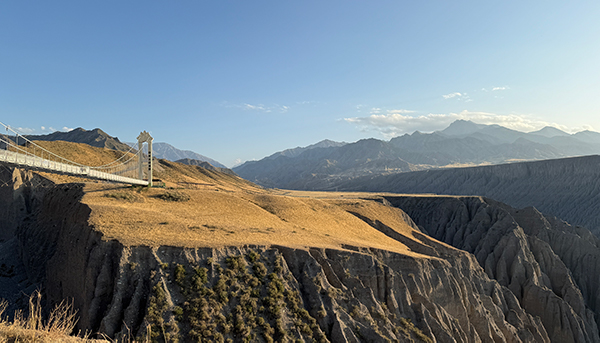
1. Day 1— Dushanzi Grand Canyon

Eons’ Scar:  An Epic of Timeless Desolation.

Here, Tianshan snowmelt conspired with time. Over countless millennia, relentless torrents carved this labyrinth of ravines, forging the valley walls’unique erosional marvel.

We started our journey here.

2. Day 2 — Sayram Lake

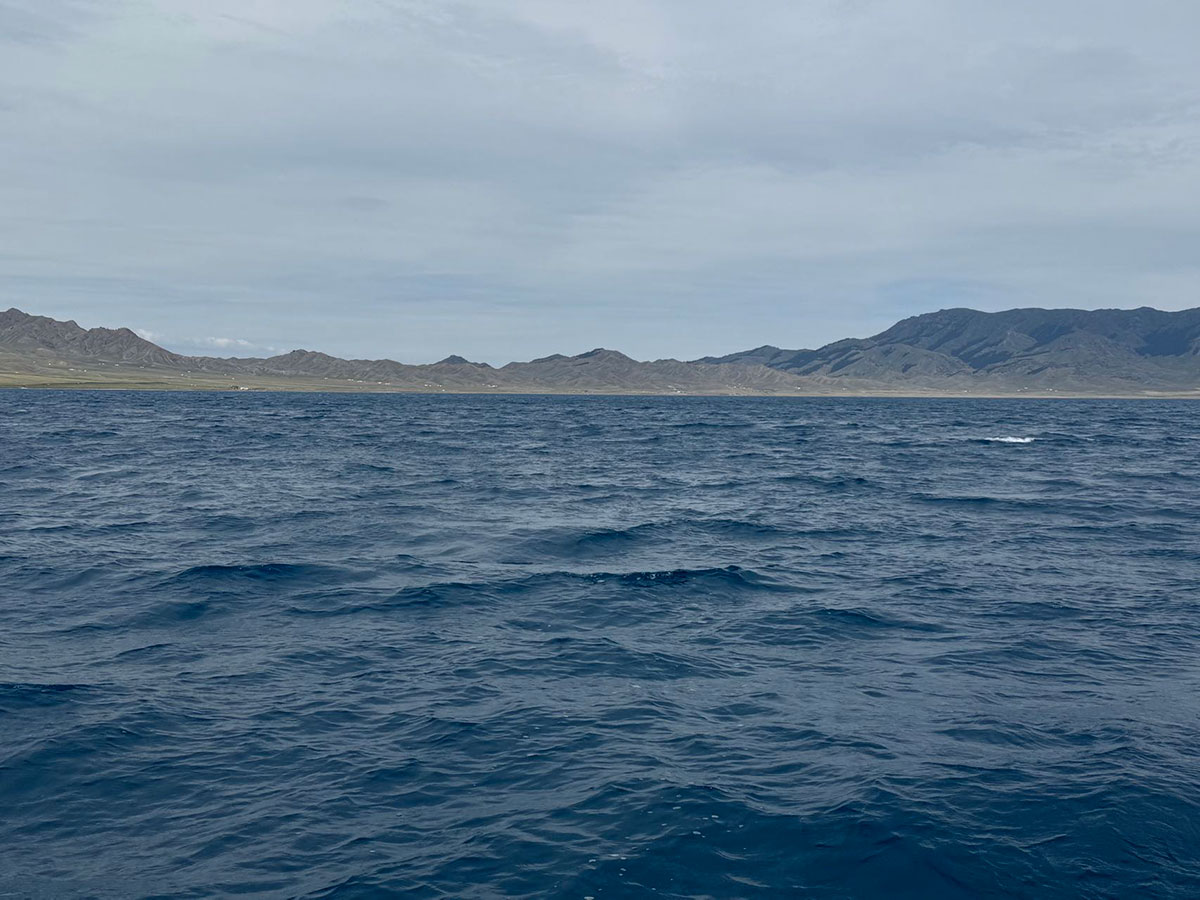
It is the tallestand biggest alpine lake in Xinjiang ,the height of its lake surface is 2,071 meters. It is also the last place that the warm and wet air from the Atlantic Ocean can reach,so it is known as’The last Tear of the Atlantic Ocean’. As Sa Beining, a renowned Chinese host, once said: “A life without visiting Sayram Lake is a life incomplete.” After seeing its crystal-clear waters and alpine charm, we couldn’t agree more.

3. Day 3 — Tianshan Flower Sea & Kurdening

A vibrant sea of wildflowers, nestled beside dense alpine forests —Nature’s own highland garden in full bloom.

Find your purple romance: Not Provence,but Yili,China.


4. DAY 4 — Narat Grassland

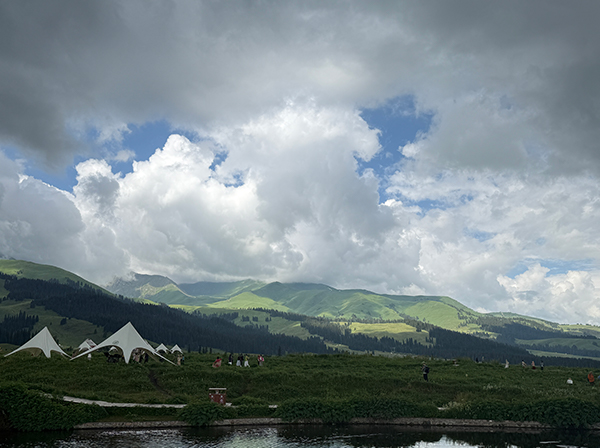
Sky Meadow’s rolling hills ripple like emerald waves, dotted with grazing herds — a scene of pure pastoral serenity.

5. DAY 5 — Karez Irrigation System & Kurultag Desert

A scorching desert town where ancient Karez wells reveal the brilliance of underground irrigation engineering.

Nearby, the pristine Kurultag Desert unfolds in all its diversity — from sweeping sand dunes and vast Gobi plains to striking yardang formations.

6. DAY 6 —Flaming Mountains

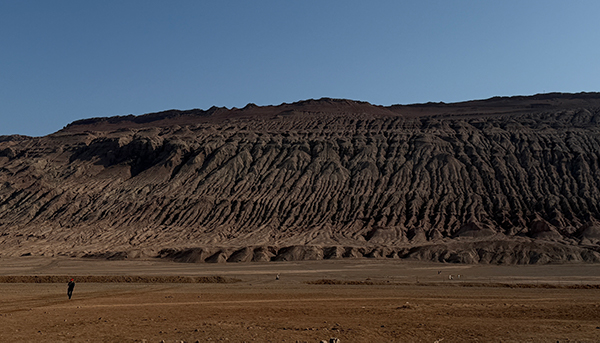
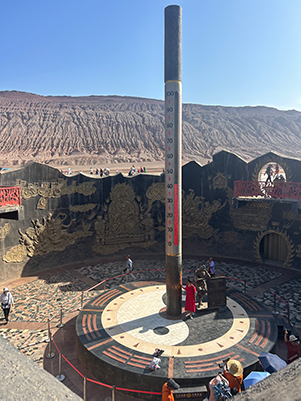
Scorching crimson ridges where ground temperatures soar to furnace levels — an iconic landscape immortalized in Journey to the West.


DAY 7—Tianchi Lake

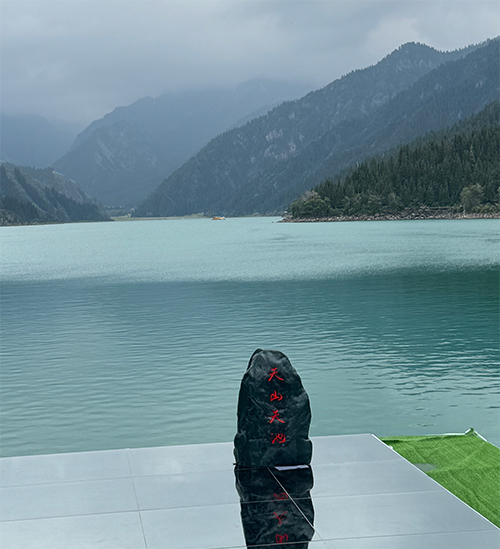
Tianchi Lake is a serene harmony of mountains and water, where nature’s calm beauty unfolds .

DAY 8 Shihezi – Shenzhe

This trip was amazing!

We shared many beautiful moments that now fuel our team’s energy to serve you even better. We’d love to hear about your recent adventures too!