
How to Store Batteries Properly: Temperature, SoC, and Transportation Requirements Explained
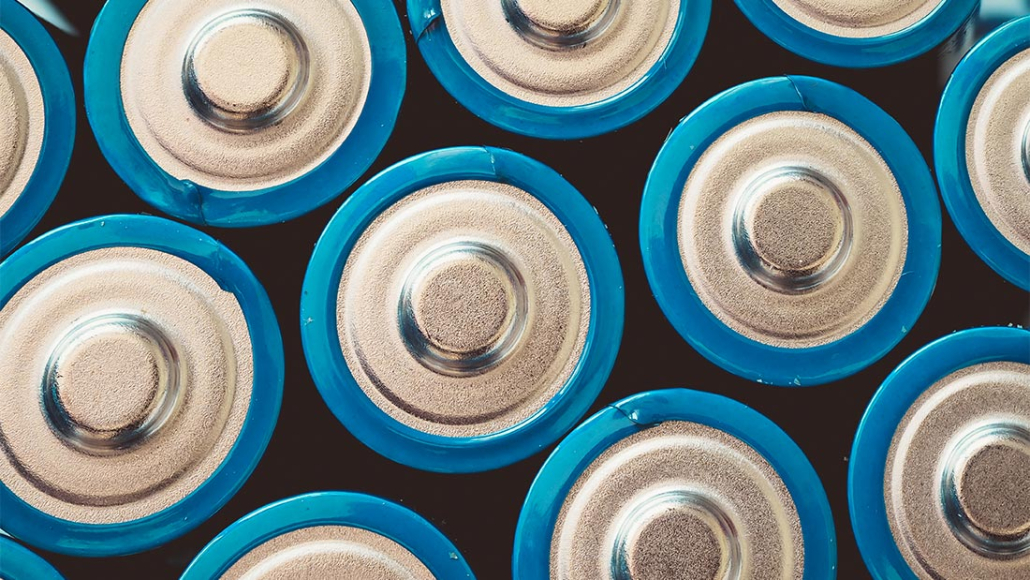
Whether holding inventory in a warehouse or shipping products internationally, ambient storage conditions and State-of-Charge (SoC) are the defining factors in battery safety, performance, and longevity. For most battery chemistries, cool and dry conditions around 15°C (59°F) are recommended for long-term storage. Depending on battery chemistry and product specifications, allowable storage temperatures may range from –40°C to 50°C for short-term exposure.
Based on industry testing standards, this guide provides a clear breakdown of storage protocols for Lithium-ion, Sealed Lead Acid (SLA), Nickel-based, and Alkaline batteries, as well as the latest IATA regulations regarding air transportation.
1. Lithium-ion (Li-ion): Ideal 40% SoC Storage and Sleep Mode Prevention
Lithium-ion chemistries are sensitive to voltage levels and ambient heat during long-term storage. Storing a Li-ion pack at 100% SoC in warm environments drastically accelerates permanent, unrecoverable capacity loss.
- Optimal Storage State: approximately 40% SoC (typically 3.7–3.85V per cell depending on chemistry). This level minimizes chemical stress while allowing sufficient leeway for self-discharge.
- Over-discharge & Copper Shunts: Most Li-ion batteries should not be stored below their manufacturer-specified discharge cutoff voltage, which is typically between 2.5V and 3.0V per cell. Many protection circuits may enter sleep mode when cell voltage approaches approximately 2.5VIf left below 2.0V/cell for an extended period, copper current collectors begin to dissolve, forming copper shunts that cause internal micro-shorts and severe thermal runaway risks upon recharge.
Engineering Tip: Before taking open-circuit voltage (OCV) readings, allow the battery to rest for 90 minutes to eliminate voltage bounce-back (the “rubber band effect”).
2. Air Transport Compliance (AirShip): The 30% SoC Mandate
In compliance with IATA and FAA regulations, all standalone or removable Lithium-ion battery packs transported via air cargo must be shipped at a maximum of 30% State-of-Charge.
- Safety Rationale: Keeping batteries at or below 30% SoC significantly reduces volatility and energy release potential in the rare event of a thermal anomaly during transit.
- Automated Shipping Prep: Modern industrial chargers and BMS platforms feature dedicated “AirShip” programs. Using Coulomb counting or advanced Kalman filters, these systems automatically charge or discharge packs to the precise 30% SoC threshold prior to packaging.
3. Sealed Lead Acid (SLA): Preventing Sulfation and The 70% SoC Recharging Rule
Sealed lead acid batteries can typically be stored for 6–24 months depending on storage conditions, provided they are monitored to prevent sulfation—an oxidation layer that builds up on negative plates due to low charge states.
- Recharge Threshold: Apply a topping charge as soon as the battery drops to approximately 70% (2.07V/cell OCV or 12.42V for a 12V pack; specific gravity ~1.218).
- Sulfation Reactivation: For small SLA cells (such as Hawker Cyclone) affected by prolonged storage, recovery is often possible by applying elevated voltage with a strictly limited low current to dissolve sulfate crystals back into active material.
4. Nickel-Based and Alkaline Batteries: Storage & Capacity Priming
- Nickel-Based (NiMH / NiCd): Store at approximately 30–50% SoC or in a fully discharged state (for single cells). Nickel-metal-hydride can be stored for 3–5 years. Capacity drop during storage is largely reversible through 1–3 priming (charge/discharge) cycles.
- Primary Alkaline Batteries: Alkaline batteries store well at cool room temperatures and ~50% relative humidity for up to 10 years. Avoid prolonged freezing conditions unless specified by the manufacturer, as extremely low temperatures may affect seals and performance.
Key Takeaways for Warehouse and Fleet Management Environment
Control: Keep storage areas cool (ideally 15°C / 59°F) and dry (~50% relative humidity). Avoid direct sunlight.
Li-ion Protocols: Store at 40% SoC for long-term inventory; in accordance with IATA Dangerous Goods Regulations, standalone lithium-ion batteries classified as UN3480 transported by air must not exceed 30% SoC.
Routine Maintenance: Check lead-acid voltages every 3–6 months and top-charge immediately if the pack drops below 12.42V.